What Commercial Lock Installation Actually Involves — and Why Grade Matters
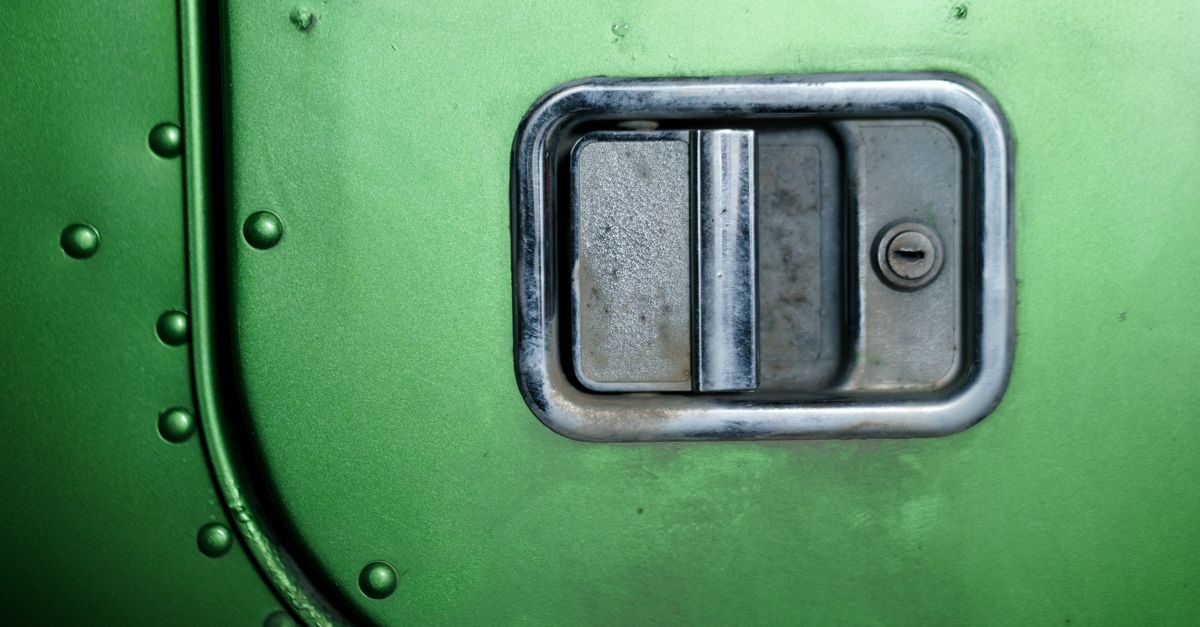
Not every lock that says 'commercial' on the box belongs on a commercial door. True commercial-grade hardware is rated by the Builders Hardware Manufacturers Association on a three-tier scale, and Grade 1 — the highest — is the baseline we recommend for any door that sees regular business traffic. The difference shows up in the internal mechanism: commercial-grade cylinders use hardened steel inserts to resist drilling, anti-pick driver pins to defeat manipulation, and brass or stainless-steel housings that hold tolerances far tighter than residential hardware. When our technicians perform a commercial lock installation, they start by measuring the door thickness, backset, and existing prep holes before a single screw is removed, because fitting the wrong body to a steel door frame can create stress points that compromise both security and longevity.
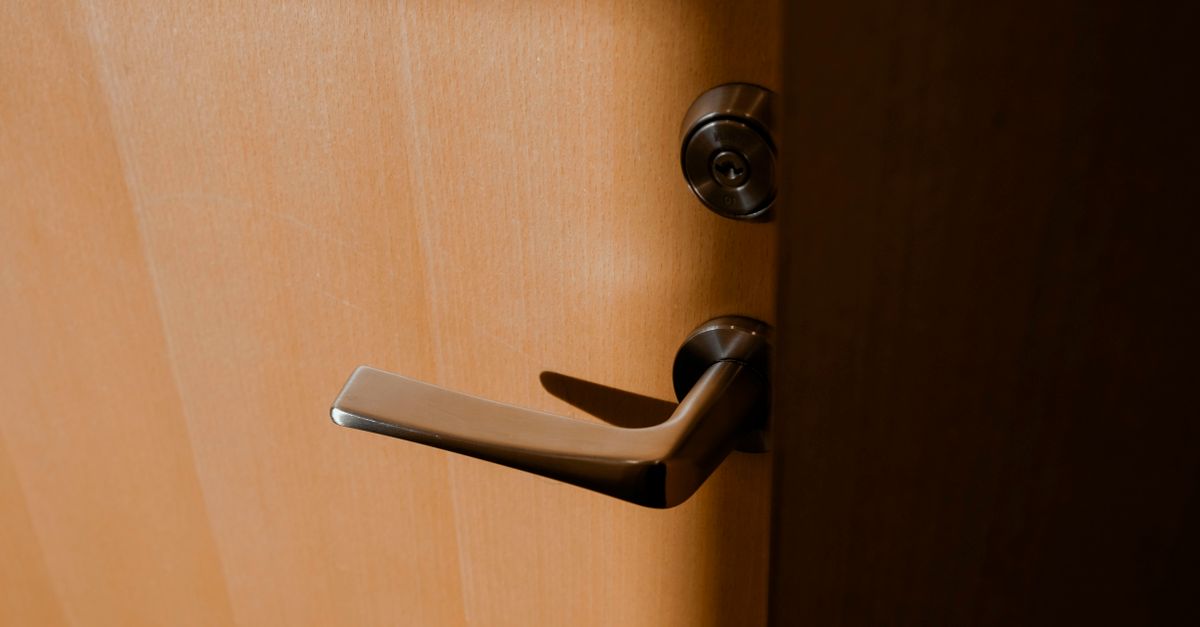
The mortise lock is the backbone of serious commercial door security and a core part of our service offering. Unlike a bored cylindrical lock that sits in a simple round hole, a mortise lock body recesses into a precisely routed pocket in the door edge, giving it a mechanical connection to the door itself rather than relying solely on the face plate. This geometry makes the lock dramatically harder to kick or pry. We install mortise lock systems from trusted hardware lines including Schlage, Yale, and equivalent commercial-grade manufacturers, matching the lock function — passage, privacy, classroom, or storeroom — to the specific door's role inside your facility. If your Cranford property still has an aging mortise lock with a worn cam or a cracked cylinder collar, we can replace the entire body or re-cylinder the existing case depending on condition.